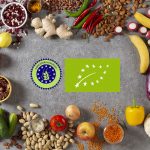
Buying organic is no longer just a trend; it is a conscious decision that has a positive impact on our health, the environment and the local economy. In a world where mass consumption dominates our daily routines, choosing organic products represents a small individual act with a big collective effect. But what are the real benefits of going green? In this article we explore why more and more people are choosing to fill their shopping cart with responsible and sustainable options.
👉 In our Allotarra shop all our products are organic: Buy
-
Taking care of your health in a natural way
One of the most important benefits of buying organic is the direct impact on our health. Organic food is grown without synthetic pesticides, chemical herbicides or artificial fertilisers. They also do not contain genetically modified organisms (GMOs) or unnecessary additives.
This means that by consuming organic fruit, vegetables, cereals, meat or dairy products, we reduce exposure to chemical residues that can accumulate in the body over the long term. Studies have linked excessive consumption of pesticides to hormonal problems, allergies and even chronic diseases.
In addition, many consumers claim that organic products have a more authentic and natural taste. This is because they are grown in a way that respects the natural cycles of the land, which allows the food to develop its organoleptic properties better.
-
Environmental protection
Buying organic products is a direct way to contribute to the protection of the planet. Organic farming promotes sustainable practices such as crop rotation, responsible water use and biodiversity conservation.
By avoiding the use of aggressive chemicals, soil quality is protected and pollution of rivers and aquifers is prevented. In addition, organic farms often encourage the presence of pollinating insects such as bees, which are essential for the balance of ecosystems.
It is also important to mention that many eco-brands use recyclable or biodegradable packaging, thus reducing the generation of plastic waste. In this way, the environmental impact is reduced in both production and distribution.
-
Animal welfare
In the case of organic products of animal origin, such as eggs, meat or dairy products, regulations often require better living conditions for the animals. This includes access to the outdoors, natural feed and adequate space for their development.
Animal welfare is not only a question of ethics, but also of quality. Animals raised in healthy conditions tend to produce food of better nutritional quality. For example, organic eggs tend to be higher in certain nutrients due to the natural diet of the hens.
Choosing organic products means supporting production systems that are more respectful of animal life and away from intensive farming.
-
Boosting the local economy
Many organic products come from small farmers and local producers. By buying them, we are directly supporting entrepreneurs who work under sustainable and responsible models.
This strengthens the local economy, generates employment and reduces dependence on large industrial chains. In addition, by consuming local products, emissions from transport are reduced, which again contributes to environmental protection.
Organic consumption fosters a closer relationship between producer and consumer. In local markets or cooperatives, it is possible to know where the food comes from and how it was grown, generating greater trust and transparency.
-
Higher nutritional quality
Although scientific debate continues on some aspects, several studies have indicated that certain organic products may contain higher levels of antioxidants and nutrients compared to conventional products.
By growing in more balanced soils and without intensive chemical fertilisers, plants develop natural defence mechanisms that can increase the presence of beneficial compounds. Furthermore, the absence of hormones and antibiotics in organic animal products represents an additional health advantage.
Beyond the specifics, the fact remains that organic consumption is often linked to a more conscious and balanced diet, based on fresh and less processed products.
-
Carbon footprint reduction
Organic production generally means less energy consumption and lower greenhouse gas emissions. Industrial agriculture relies heavily on fossil fuels for fertilisers, pesticides and mass transport.
In contrast, organic systems tend to use more traditional and less mechanised methods, as well as prioritising short marketing circuits. All this contributes to reducing the carbon footprint associated with our consumption habits.
Every green purchase is a way of voting for a more sustainable production model in line with the fight against climate change.
-
Promoting responsible consumption
Opting for organic products also transforms our mindset as consumers. It invites us to read labels, research brands and question production processes. This level of awareness leads to more informed and responsible choices.
Many people who start out buying organic food end up extending this habit to other areas: natural cosmetics, sustainable clothing, biodegradable cleaning products or reusable items.
Thus, green consumption becomes a lifestyle that promotes coherence between values and actions.
-
Reduced exposure to antibiotics and hormones
In conventional meat and dairy production, the use of antibiotics to prevent disease is common in intensive systems. Excessive use of these drugs contributes to the global problem of bacterial resistance.
Organic products strictly regulate the use of antibiotics and prohibit the routine use of growth hormones. This means that by consuming organic products, we reduce our exposure to these substances and support more responsible farming practices.
-
Education and social awareness
The rise of organic products also has an educational impact. More and more people are interested in learning about sustainable agriculture, recycling, composting and waste reduction.
New generations are growing up with a greater sensitivity towards the environment, understanding that their consumption decisions directly influence the future of the planet.
Buying green is not just about buying a product; it is about being part of a global movement that seeks to balance economic development and environmental sustainability.
-
A long-term investment
It is true that organic products can sometimes have a higher price tag. However, this cost reflects more careful production practices, fairer wages and lower environmental impacts.
In the long term, investing in health and sustainability can translate into lower medical costs, less environmental degradation and a better quality of life. Moreover, as demand increases, prices tend to become more competitive.
More than an expense, buying green products is an investment in personal and collective well-being.
Conclusion
Buying organic is a decision that goes far beyond the act of buying. It is a declaration of principles, a commitment to health, the environment and social justice. Every choice counts. Every product we choose can contribute to a more balanced and sustainable system.
It is not a matter of radically changing all our habits from one day to the next, but of moving step by step towards more conscious consumption. Starting with small changes - such as choosing organic fruit, opting for local products or reducing the use of plastics - can make a big difference.
In short, buying organic products is a simple but powerful way to take care of ourselves and the planet. Because when we choose better, we live better.